)
)
)
-
15,000+ attendees from contractors, architects, realtors, civil engineers, developers, government, house builders. construction professionals, and more
-
400+ incredible speakers across 8 conference tracks
-
Dedicated HVACR, Fire Safety & Security, and AI & Digitl Construction Zones showcasing cutting-edge systems, technology and compliance solutions
-
Industry approved workshops
-
Architect’s Hub with project displays of upcoming projects from leading architects
MAJOR PROJECTS
Miami’s skyline and surrounding communities are undergoing one of the most dramatic transformations in the USA, driven by a wave of large-scale construction projects reshaping Downtown, Brickell, and beyond.
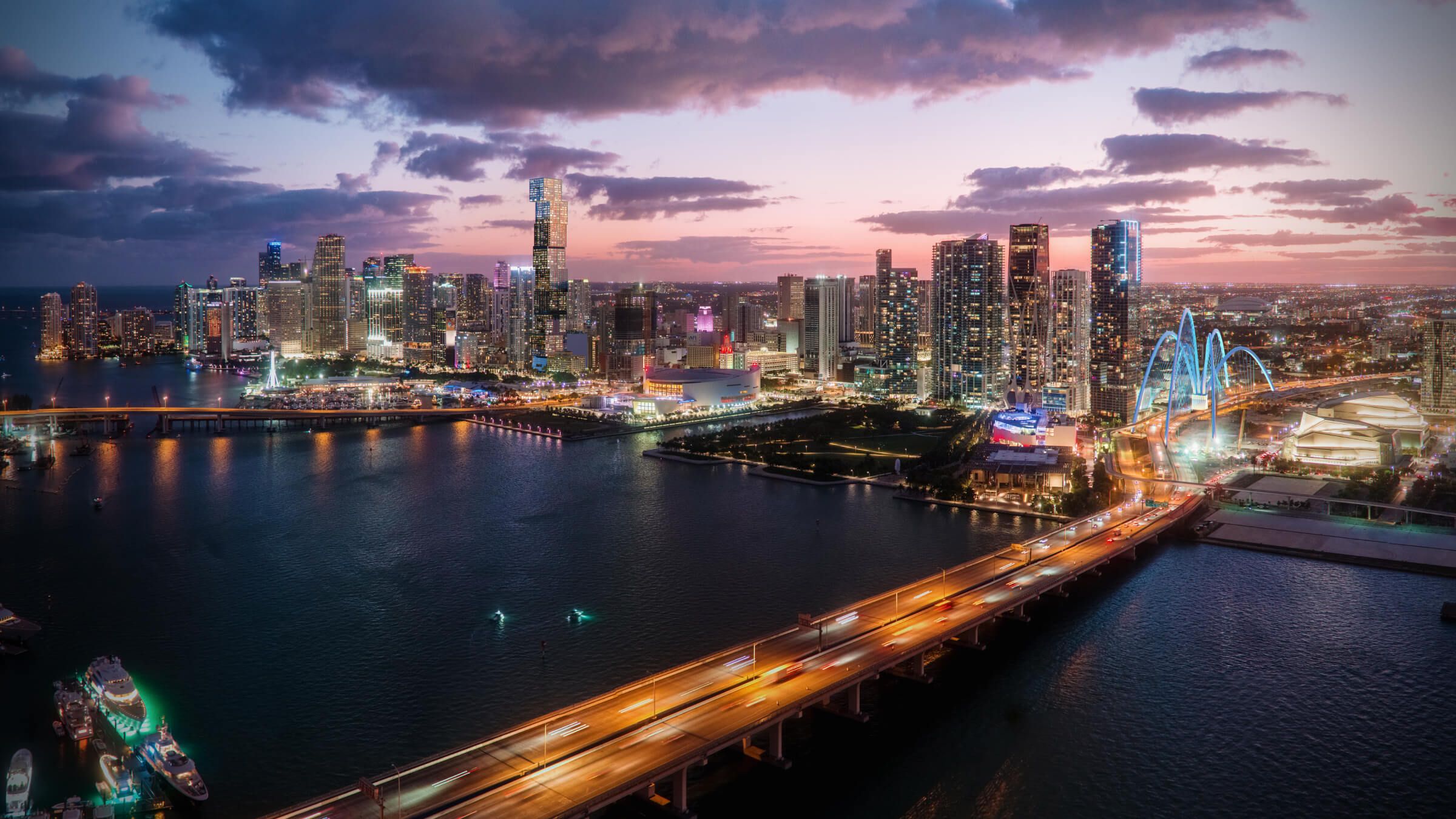 Leading the skyline boom is the Waldorf Astoria Hotel & Residences Miami in Downtown Miami. Rising roughly 1,041 feet with about 100 stories, the mixed-use tower will combine hotel rooms, luxury residences, and retail space, positioning itself as one of the tallest buildings on the East Coast. Nearby, Cipriani Residences Miami in Brickell is climbing toward 950 feet, adding high-end condominiums and resort-style amenities to one of the city’s most sought-after neighborhoods.
Downtown’s massive Miami Worldcenter continues its multi-phase buildout, with 600 Miami Worldcenter among the major towers underway and more retail, residential, and entertainment components in progress. Along the riverfront, Flow on the Miami River is bringing new residential, office, and public space across multiple city blocks, further activating the waterfront.
Future skyline additions include One Bayfront Plaza, approved at approximately 1,049 feet and poised to become the tallest structure in Miami. In Brickell, the planned Citadel Headquarters Tower will introduce a striking glass office and hotel tower overlooking Biscayne Bay.
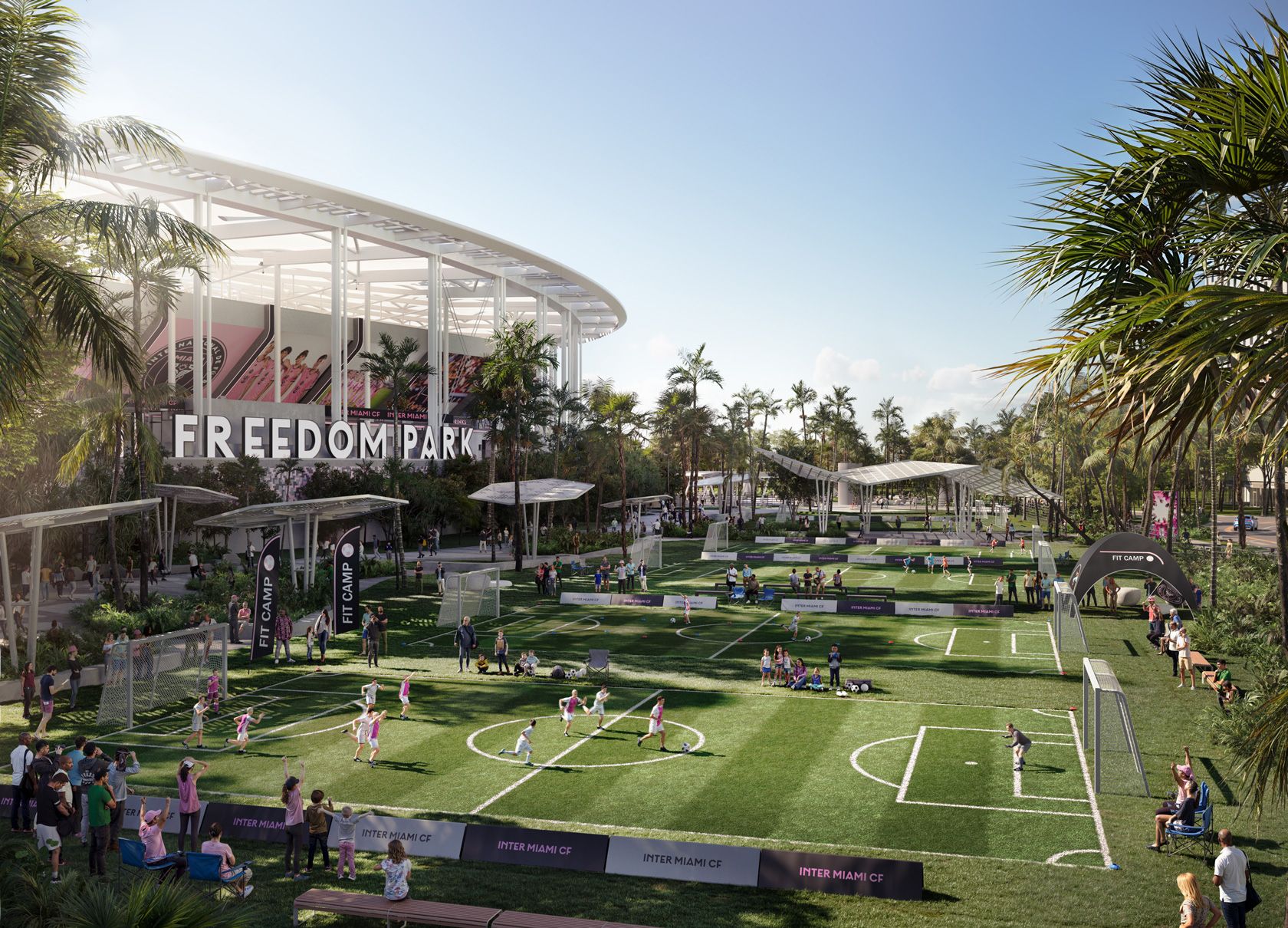 North of the urban core, the 3050 Aventura Office Tower is topping off with its distinctive interlocking design, while Metro Parc North in Hialeah adds transit-oriented housing near Metrorail. The 131-acre Miami Freedom Park is delivering a new stadium, parkland, and mixed-use development near Miami International Airport. Meanwhile, SoLé Mia in North Miami continues its expansive waterfront buildout, featuring a lagoon and thousands of residences.
Together, these projects signal Miami’s continued evolution into a globally competitive metropolis.
)
)
)
)
)